

Many teenagers feel more anxious than ever, and social media might be playing a big role. With platforms filled with curated lives and constant comparisons, it’s no wonder so many adolescents are struggling. This article will dive into the impact of social media on adolescent anxiety and offer practical tips to foster a healthier online environment. By understanding these dynamics, we can better support our youth.
How Social Media Affects Adolescent Anxiety
Social media has a profound impact on adolescents, often contributing to increased levels of anxiety. Young people frequently find themselves comparing their lives to the seemingly perfect images and moments shared by their peers, leading to feelings of inadequacy and self-doubt.
The desire for validation through likes and comments can create immense pressure, making them feel that their self-worth is tied to their online presence. This can also foster a sense of fear about missing out on social events and experiences, which may heighten their anxiety.
Moreover, excessive social media use can disrupt sleep patterns, as they might find themselves scrolling late at night, contributing to feelings of fatigue and irritability. Additionally, the prevalence of cyberbullying on these platforms can leave lasting emotional scars, causing further distress.
Creates Constant Comparison on Self-Worth
Social media platforms have revolutionized how adolescents connect, but they’ve also created an environment ripe for anxiety. As teens scroll through curated snapshots of others’ lives, they often engage in a constant comparison on self-worth.

This relentless need to measure up can lead to feelings of inadequacy, as they see only the highlights of their peers’ experiences, which can feel daunting and unattainable.
Comparing self-worth to the polished images and experiences shared online can magnify feelings of isolation and insecurity. Many adolescents struggle with the pressure to present an idealized version of themselves, leading to a cycle of overthinking and self-doubt.
Moreover, the addictive nature of social media can exacerbate these issues. Endless scrolling often replaces face-to-face interactions, leading to a decline in meaningful relationships and deeper connections.
As engagement with social platforms increases, real-life social skills may diminish, fueling further anxiety.
The Role of Likes and Comments in Adolescent Mood
Social media platforms have become digital lifelines for today’s adolescents, yet they can also magnify anxiety. The pressure to receive likes and comments creates an environment where self-worth often hinges on online validation.
When a post garners little engagement, it can lead to feelings of rejection and inadequacy, further amplifying anxiety.
This self-validation struggle is compounded by the constant comparison to curated images of peers, influencers, and celebrities. Adolescents frequently find themselves scrolling through idealized snapshots that depict a seemingly perfect life, leading to a distorted view of reality.
This comparison can create a vicious cycle of low self-esteem and heightened anxiety, as young people feel they must measure up to unrealistic standards.
Parents and educators play a crucial role in helping adolescents navigate this digital landscape. Open conversations about the impacts of social media, encouraging critical thinking about online content, and promoting offline activities can help mitigate some of the adverse effects.
Creates A False Fear of Missing Out Feeling
Social media often creates a false fear of missing out (FOMO) that can weigh heavily on adolescents. With constant updates from peers showcasing picture-perfect lives, it’s easy for young individuals to feel inadequate in comparison and possibly lead to thoughts of suicide.
This curated reality can spiral into anxiety as they endlessly scroll, comparing their own experiences to the highlights of others. The pressure to keep up can lead to chronic stress, causing significant emotional strain.
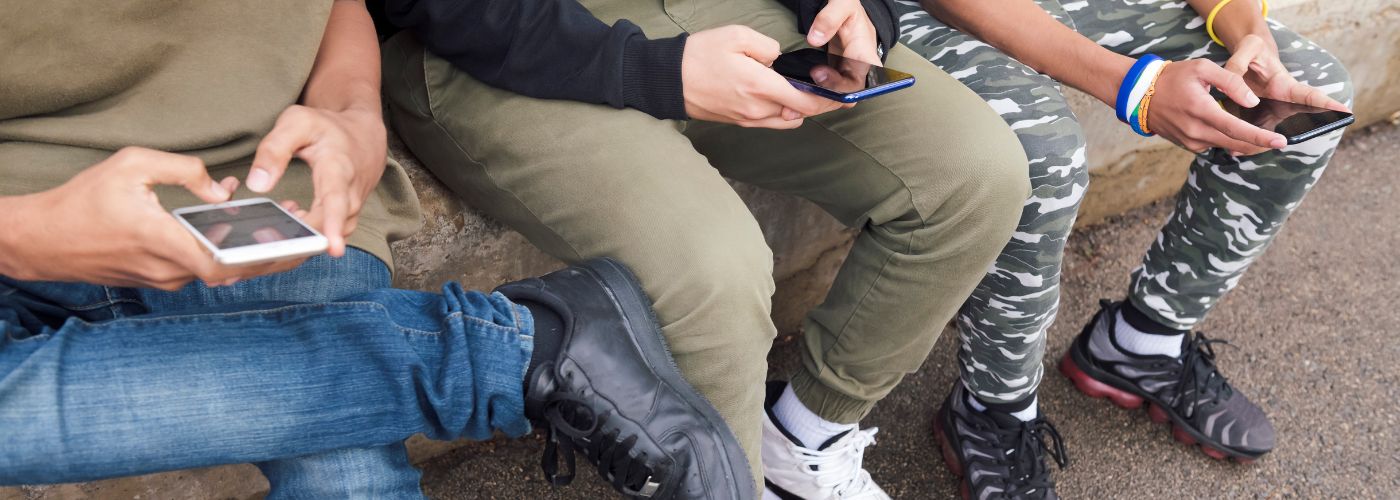
Moreover, the instant nature of social validation — likes, shares, and comments — can fuel a cycle of anxiety. Adolescents may find themselves obsessively checking their notifications, showcasing a dependence on digital affirmation.
This reliance can overshadow real-life connections, making in-person interactions feel awkward or insufficient. Ultimately, the impact of social media on anxiety goes beyond just feelings of inadequacy; it alters how young people relate to themselves and the world around them.
Sleep Disruption from Social Media Use
Social media has become a double-edged sword for adolescents, bringing both connection and anxiety. One major issue is sleep disruption from social media use.
Many teens find themselves scrolling late into the night, losing precious hours of rest. This lack of sleep can increase feelings of anxiety, making it harder to focus at school and manage daily stressors.
Sleep is so important to the body and mind, especially during the adolescent years when growth and development are at their peak. Insufficient sleep can lead to a variety of negative outcomes, including diminished cognitive function, mood swings, and increased susceptibility to mental health issues.
As the body struggles to keep up with the demands of daily life, teens may experience heightened irritability, depression, decreased motivation, and difficulty in building healthy relationships.
How Cyberbullying Impacts Teens & Kids
While social media offers a platform for connection and expression, it also opens the door to cyberbullying, a haunting experience that many teens face daily. How cyberbullying impacts teens goes beyond the immediate hurt; it can lead to increased anxiety, isolation, and even depression.
The constant comparison to idealized versions of others online can create a toxic mindset, where self-worth is tied to likes and comments.
Cyberbullying also can manifest in various forms, such as spreading rumors, exclusion from online groups, or even direct harassment through messages and comments. These attacks can be relentless, often occurring outside of traditional school hours, making it difficult for victims to escape their tormentors.
Related Stories
Impact of Social Media on Adolescent Anxiety
Many teenagers feel more anxious than ever, and social media might be playing a big
Dec
Mindful Practices To Cope With Divorce
Divorce can feel like a storm that turns your life upside down, leaving you lost
Nov
Tips To Identify & Break Cycles of Trauma In Families
The legacy of trauma can haunt families for generations, but it doesn’t have to define
Oct